
.png)


James Robert Clapper Jr.: From U.S. Air Force General to Advocate for UAP Disclosure
- Skywatcher's Hub

- Mar 6, 2025
- 5 min read
Updated: May 24, 2025

James Robert Clapper Jr., a retired Lieutenant General in the United States Air Force and former Director of National Intelligence (DNI), is a key figure in the unfolding conversation about Unidentified Aerial Phenomena (UAP) disclosure. With a long and distinguished career spanning military service, intelligence operations, and leadership at the highest levels of government, Clapper’s perspective on UAPs is informed by decades of work in national security, intelligence, and defense.
Throughout his career, Clapper has seen firsthand the complexities of national security, the importance of intelligence collection, and the need for government transparency on sensitive matters. His transition into the world of UAP disclosure is shaped by his extensive knowledge of military and intelligence operations, his role as the principal advisor to the President on national security matters, and his belief in the need for openness about phenomena that could significantly affect U.S. security and scientific understanding.
But how did his career in the U.S. Air Force and as the Director of National Intelligence prepare him to become involved in the growing push for UAP disclosure, and why has he taken a stance that emphasizes transparency on this issue?
A Career Built on National Security and Intelligence
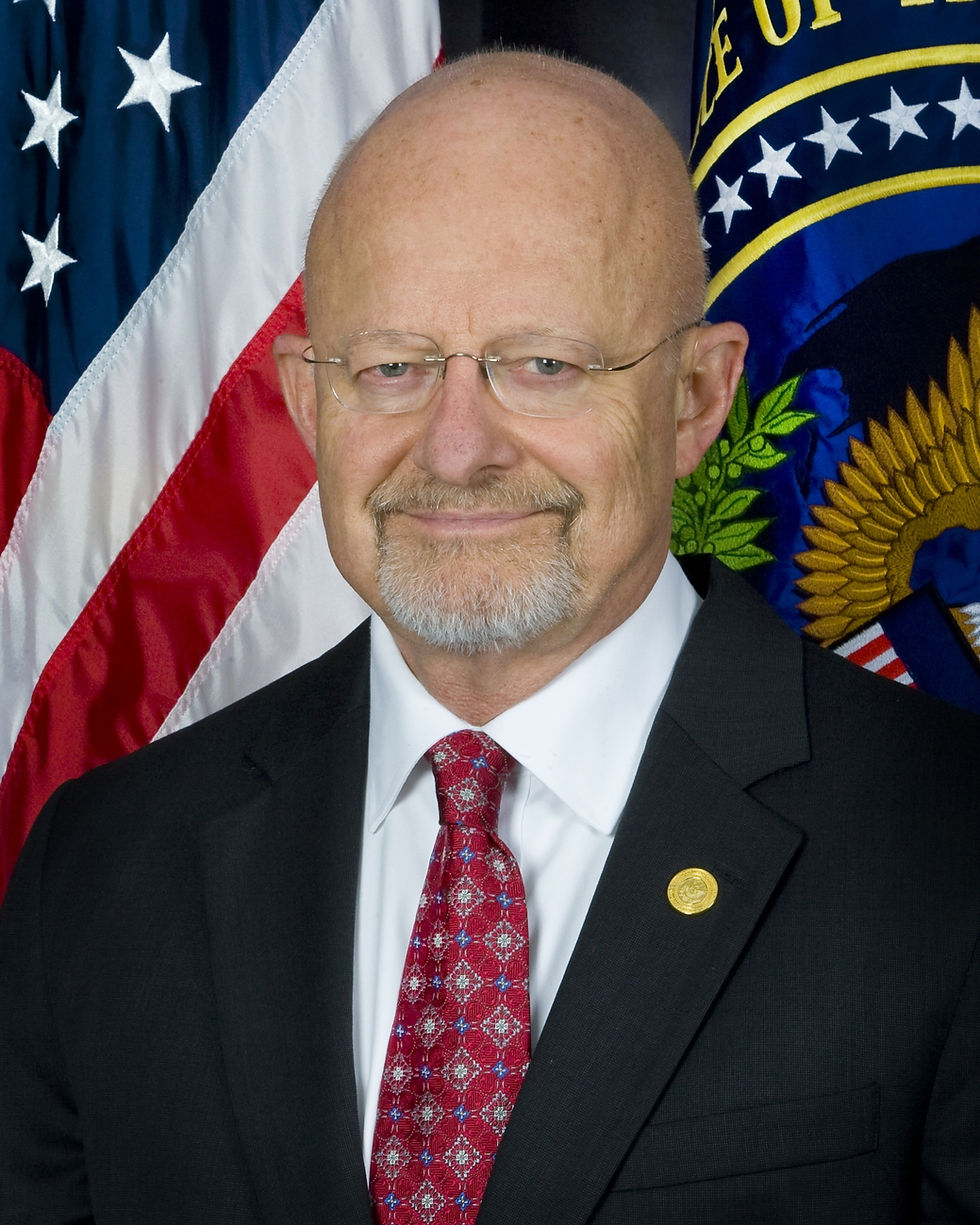
James Clapper’s career in the U.S. military and intelligence community spans over five decades. After earning a commission as a second lieutenant in the U.S. Air Force in 1963, Clapper quickly rose through the ranks, serving in a variety of leadership positions. His career was largely defined by his work in military intelligence and later in national security positions. He served as the Director of the National Geospatial-Intelligence Agency (NGA) and the Under Secretary of Defense for Intelligence, before being appointed as the Director of National Intelligence in 2010.
As DNI, Clapper had the immense responsibility of overseeing the entire U.S. intelligence community, which included agencies such as the CIA, NSA, and FBI. His role involved ensuring that intelligence was gathered, analyzed, and used effectively to protect national security. Clapper’s work at the helm of the intelligence community gave him insight into the deepest, most classified matters related to U.S. defense and intelligence operations. It also provided him with knowledge of the many unknowns that the government was dealing with, especially regarding national security threats.
The UAP Phenomenon and Clapper’s Exposure to the Unknown

Throughout his time in the military and intelligence community, Clapper became familiar with reports of UAPs—unexplained aerial phenomena observed by military personnel, often in restricted airspace. UAPs had been a topic of interest to various intelligence agencies for decades, though their existence was often considered classified or dismissed as non-threatening anomalies.
As Director of National Intelligence, Clapper would have had access to intelligence reports and military encounters with UAPs. His extensive experience in national security and defense would have made him keenly aware of the implications that unidentified objects in U.S. airspace could have, particularly if they were exhibiting advanced technological capabilities beyond the scope of known military aircraft. While there is little public documentation about Clapper’s specific involvement with UAP-related intelligence, his position undoubtedly placed him at the center of key discussions about potential national security threats, including those posed by UAPs.
Though Clapper was not a vocal advocate for UAP disclosure during his tenure as DNI, his long career in the intelligence community provided him with a deep understanding of the challenges and complexities surrounding the phenomenon. Clapper had seen firsthand how classified information was handled, how national security concerns were prioritized, and the importance of secrecy in maintaining an advantage over potential adversaries. These experiences would later shape his views on the need for transparency and how the U.S. government should approach the topic of UAPs.
Transitioning to Advocacy for UAP Disclosure

After retiring from the intelligence community in 2017, Clapper shifted his focus to public speaking and writing about intelligence, national security, and government transparency. As the Director of National Intelligence, Clapper had been responsible for overseeing some of the most sensitive and classified information the U.S. government held. Given his extensive background in intelligence and security, it was clear that Clapper had a unique perspective on the importance of UAP disclosure.
In the years following his retirement, Clapper began to speak more openly about the issue of UAPs, particularly as the U.S. government’s Pentagon UFO revelations came to light. In December 2017, the New York Times published an article revealing the existence of the Advanced Aerospace Threat Identification Program (AATIP), a secret U.S. government initiative aimed at investigating UAPs. This was a pivotal moment in the UAP disclosure movement, as it confirmed that the government had been studying UAPs in a more formal and systematic way than previously known.
Clapper, having been in a position of power during the time AATIP was operational, expressed that he had not been fully briefed on the details of the program, which raised questions about the level of transparency within the intelligence community and the military. He later spoke publicly about how the U.S. government had historically downplayed the significance of UAPs, often brushing them aside as inconsequential or too politically sensitive to address. Clapper’s public comments about the lack of transparency in U.S. government reporting on UAPs reflected his growing belief that the government should be more forthcoming with the public on this matter.
Clapper’s Belief in Government Transparency

Throughout his career, Clapper had a nuanced understanding of government secrecy. While he recognized the need for confidentiality in certain national security matters, he also believed that some level of transparency was essential for maintaining public trust. This view would play a central role in his advocacy for UAP disclosure in the years following his retirement.
In public interviews and statements, Clapper has emphasized that the U.S. government should be more open about its knowledge of UAPs. He has acknowledged the importance of scientific inquiry and the need for independent investigations into these phenomena. Clapper has also highlighted the potential national security implications of UAPs, particularly if they involve foreign adversaries with advanced technology. For Clapper, the release of information about UAPs was not just a matter of public curiosity—it was also about national defense and ensuring that the U.S. military could respond to any potential threats.
Clapper’s push for greater disclosure is also a reflection of his broader belief in the need for government accountability. During his time as DNI, Clapper advocated for reforms in intelligence gathering and analysis, aiming to make the intelligence community more efficient and transparent. His views on UAP disclosure are consistent with this philosophy of promoting openness while still protecting vital national security interests.
A Legacy of UAP Transparency

James Clapper’s involvement in the UAP disclosure movement is a natural extension of his long career in national security and intelligence. His perspective on the issue is shaped by his firsthand knowledge of government operations, the importance of maintaining security while ensuring transparency, and his belief that the public has a right to know about matters that could affect national security.
While Clapper may not have been directly involved in UAP investigations during his time as DNI, his role as a former high-ranking government official has given him the platform to influence the conversation about UAPs. His calls for transparency and government openness have helped to bring more attention to the issue and have contributed to the growing momentum for UAP disclosure.
As the U.S. government continues to release more information about UAPs and as more military personnel come forward with their experiences, Clapper’s legacy as an advocate for UAP transparency will continue to shape the ongoing dialogue about these mysterious phenomena. His career as a leader in the U.S. intelligence community, combined with his commitment to transparency, places him in a key position to help ensure that the truth about UAPs is eventually revealed to the public.


Comments