
.png)


The UAP Witness Who Never Testified: What Went Down in Weaponized Ep. 92
- Megan Fosco
- Oct 15, 2025
- 4 min read


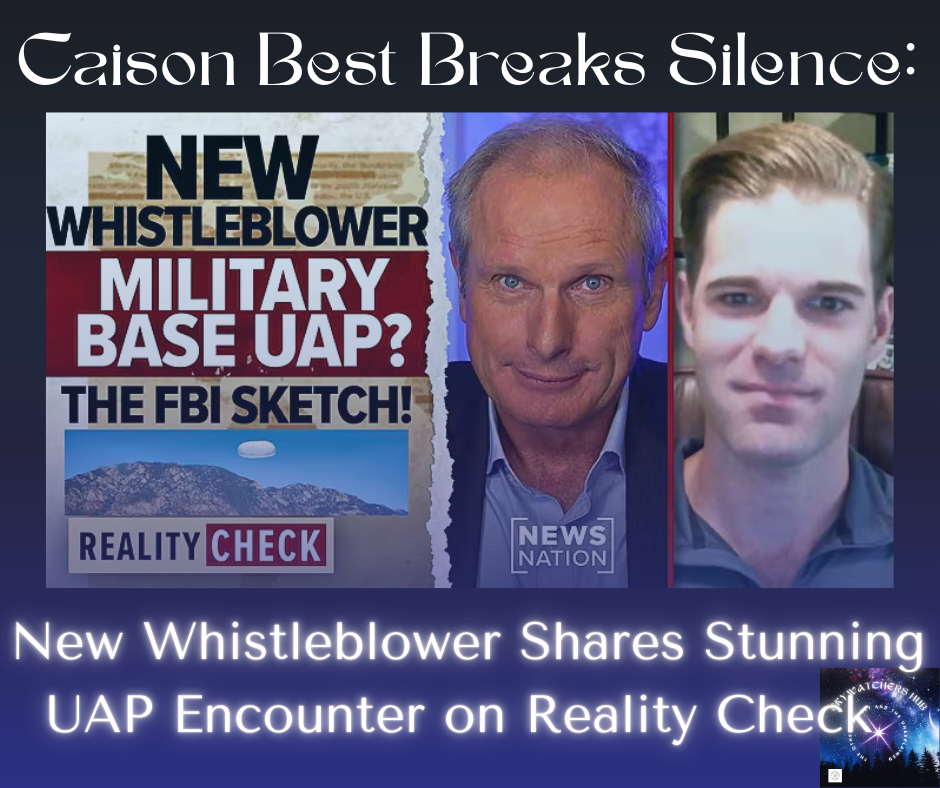
It’s the kind of story that grabs you: a whistleblower, invited to testify in a congressional UAP hearing, suddenly backs out — and only now does the public get to hear his account. That’s the setup for Weaponized, Episode #92:
“The UAP Witness That Didn’t Testify — Congress Wanted You To Hear This.”

Jeremy Corbell and George Knapp guide us behind the scenes, asking: Who was this mystery witness? Why was he slotted to testify in place of Dylan Borland? What stopped him? And what might his story add to the archive of UAP disclosures? vibewire.com.au+2Apple Podcasts+2


🕵️♂️ The Witness, the Slot, and the Silence
What we do know (so far):
This individual was originally slated to testify in September’s congressional UAP hearing, presumably in the same slot initially reserved for Dylan Borland. vibewire.com.au+2Stacker News+2
His narrative involves a striking UAP sighting at Eglin Air Force Base, where he claims a massive craft hovered above a runway in front of military personnel. vibewire.com.au+1
Shop Top 100+ indoor Halloween decorations on Amazon
At the time, Congress and the hearing organizers expected him to present his testimony — but something intervened. He eventually declined to appear publicly. vibewire.com.au+2Apple Podcasts+2
In this episode, Corbell and Knapp bring him on-camera (or via recorded interview) to tell his version of events, reasoning, reservations, and what he would have testified. vibewire.com.au+2Apple Podcasts+2
It’s not yet confirmed whether he operates under heavy security constraints, non-disclosure agreements, or pressure from official channels — but those are now part of the subtext.

🔍 What His Account Adds — and What Remains Unverified
Listening to the episode, several intriguing details emerge — but also many questions remain unanswered. Here’s a breakdown:
What he adds
A new case from Eglin, geographically distinct from many UFO/UAP stories centered in the desert Southwest or test ranges.
A description of the craft: large, hovering, silent (or at least not jet/noisy), in close proximity to personnel.
Insight into the pressures and risks a witness faces when agreeing (or refusing) to testify in public forums.
Potentially, a missing piece of the Borland narrative: a complementary data point or corroboration.
What remains unverified / open
The identity of the witness remains only partly disclosed (if at all).
Details about why he pulled out — whether legal, personal, security, or other reasons — are murky.

Corroboration: Are there radar logs, maintenance records, surveillance video, or other witnesses?
The chain of custody or classification status of any evidence he holds (if any).
Whether this account will ever enter the official Congressional record or be cross-examined in public.

Balancing Act: The scales of justice weigh secrecy against disclosure under a moody sky, with a government building looming in the background.
🎯 Why This Episode Matters (Beyond the Drama)
This interview is more than ghost stories and whistleblower intrigue — it edges into the heart of the UAP disclosure battle. Here are a few reasons why it’s significant:

Transparency vs. Security ConstraintsThe fact that a prepared witness backed out suggests that official, legal, or bureaucratic barriers still loom large over disclosure. It’s a reminder: testimony isn’t just about courage, it’s about navigating systems.

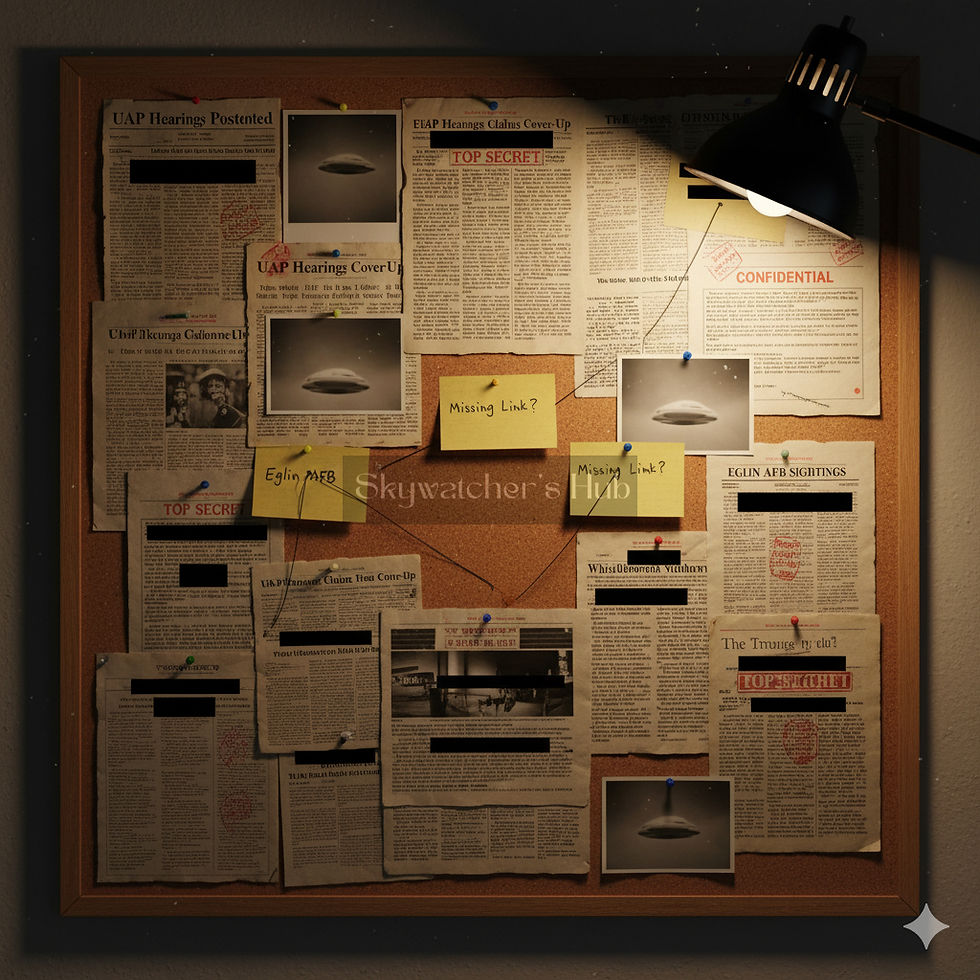
Narrative Gaps in the Disclosure Project
Many UFO/UAP narratives emphasize the stories that did get told. This episode highlights the stories that didn’t — and how much is lost (or delayed) when a voice is silenced.


Metadata in UAP Research The absence of this testimony is itself a data point. Who was he? What are the forces that keep such voices off the record? Over time, the accumulation of such “silent gaps” may reflect as much as the revealed accounts.

Fuel for Future Oversight & ReformIf more witnesses start “declining” publicly and instead go underground or private, it calls into question whether congressional hearings as currently structured are sufficient. Reform may require structural protections for classified or semi-classified disclosures.



Comments